
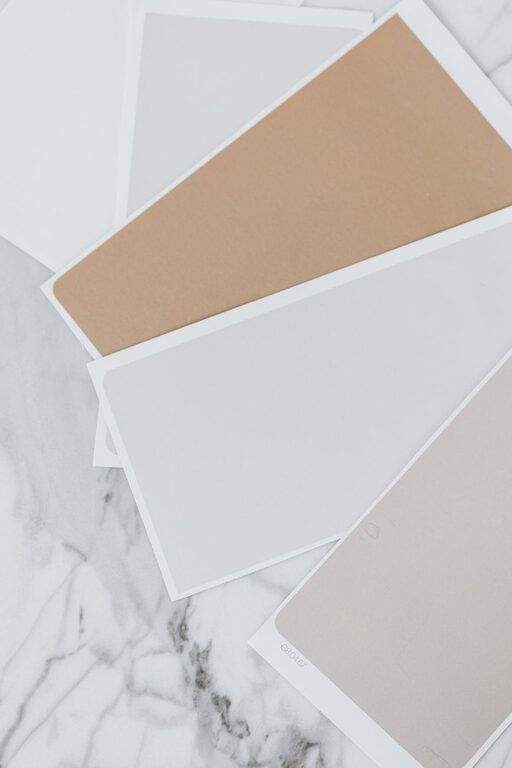
Tips for Choosing Calm Colours for Your Home
Creating a calm and serene environment at home starts with the colours you choose. Colours have a powerful impact on mood and atmosphere, influencing how we feel and interact in our living spaces. If you’re aiming for a peaceful, inviting home, choosing calm colours is an excellent place to start. This guide will help you understand how to select soothing colours that enhance your space and support relaxation.
Why Choose Calm Colours?
Calm colours promote relaxation, reduce stress, and encourage restful behaviour. Unlike vibrant or highly saturated tones, calm colours often have a softness that soothes the eye and mind. They can make rooms feel more spacious and comfortable, helping you unwind after a busy day.
Understanding Colour Psychology
Before diving into specific colour choices, it’s useful to know a little about colour psychology — how colours affect emotions.
– Blues are often associated with calmness and stability.
– Greens evoke nature and balance.
– Soft neutrals like beige, cream, and grey can create a warm, unobtrusive background.
– Pastel shades are generally gentle and comforting.
Avoid overly bright or harsh tones if your goal is tranquillity.
Tips for Choosing Calm Colours
1. Consider the Room’s Purpose
Think about how you will use the room. Bedrooms and bathrooms benefit most from colours that encourage rest and relaxation, such as soft blues, greens, or lavenders. Living rooms and studies might suit muted earth tones or gentle greys, which can be calming yet functional.
2. Test Samples in Natural Light
Colours can look very different depending on lighting. Always try paint samples on your walls and observe them at different times of the day. Natural daylight reveals the true colour, while artificial lighting may warm or cool the tone.
3. Use a Neutral Base
Starting with a neutral base colour provides flexibility. Whites, off-whites, and light greys make excellent foundations that keep spaces feeling airy and calm. You can then add accent colours with furniture, cushions, or artwork for a subtle pop.
4. Limit the Colour Palette
Keeping your colour palette simple prevents visual clutter. Choose two or three complementary calm colours and repeat them throughout the room. This harmony helps maintain a soothing flow and avoids overwhelming the senses.
5. Embrace Matte or Satin Finishes
Glossy or highly reflective paints can sometimes feel too sharp for calming environments. Colours with a matte or satin finish tend to absorb light softly and feel more relaxing.
6. Incorporate Natural Elements
Colours inspired by nature are naturally calming. Think of soft greens like sage or muted blues like sky blue. Pairing these with natural materials such as wood, stone, or plants enhances the tranquil effect.
Popular Calm Colour Choices
Here are some tried-and-true calm colours to consider:
– Sage Green: Soft and earthy, perfect for creating a restful mood.
– Light Blue: Evokes clear skies and water, ideal for bedrooms and bathrooms.
– Warm Beige: Neutral and cozy, works well in living rooms.
– Dusty Pink: Gentle and understated, adds warmth without being loud.
– Pale Grey: Modern, sophisticated, and versatile.
Accessories and Accent Colours
Even in calm colour schemes, small accents can add personality without disrupting the peace. Consider:
– Cushions or throws in pastel shades.
– Soft, patterned rugs in muted colours.
– Artwork featuring gentle, natural scenes.
These accessories can be changed easily when you want to refresh your room’s look.
Avoiding Common Mistakes
– Too many bright colours: Overusing vivid shades can overpower the room.
– Ignoring lighting: The wrong lighting can make calm colours appear dull or too stark.
– Clashing colours: Ensure accent colours complement the main palette.
Final Thoughts
Selecting calm colours for your home is about creating a space where you can relax and feel comfortable. By understanding colour psychology, testing your choices, and keeping things simple, you can achieve a peaceful atmosphere that welcomes you every day. Remember, calm colours don’t mean boring — they can be elegant, warm, and full of subtle interest.
Take your time exploring shades and finishes, and enjoy the process of turning your house into a soothing sanctuary.
