
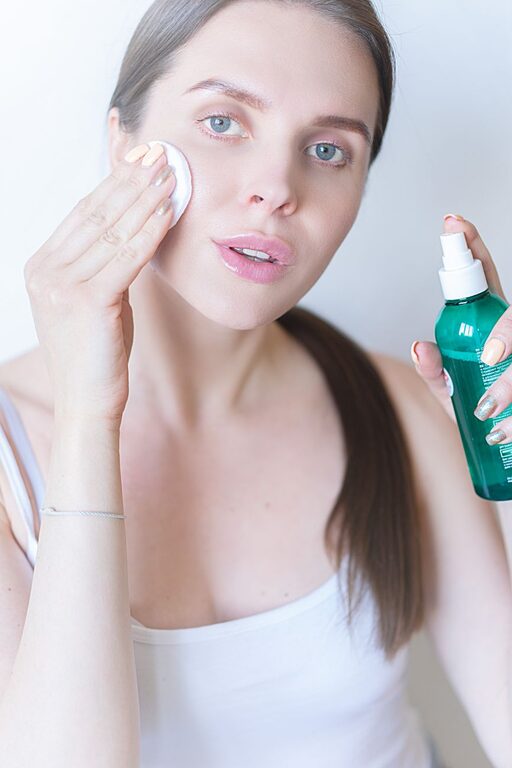
How to Start a Basic Skincare Routine for Healthy, Glowing Skin
Starting a skincare routine can feel overwhelming, especially with so many products and advice available. However, creating a basic skincare routine doesn’t need to be complicated. With just a few essential steps and the right products, you can give your skin the care it needs to stay healthy, balanced, and glowing.
In this post, we’ll guide you through the fundamentals of skincare, explain why each step matters, and help you tailor your routine to your skin type. Whether you are a complete beginner or want to get back to basics, this guide is for you.
Why Have a Skincare Routine?
A regular skincare routine helps to protect your skin, prevent common issues such as dryness or breakouts, and maintain its natural barrier. Consistency is key; over time, your skin will respond positively to daily care, making it look fresher and healthier.
Identify Your Skin Type
Before choosing products, it’s important to understand your skin type as this will influence what kind of products work best for you. The main skin types are:
– Normal skin: Balanced, not too oily or dry
– Dry skin: Flaky, rough, or tight feeling
– Oily skin: Shiny with visible pores and prone to blackheads
– Combination skin: Oily in some areas (like the T-zone) and dry in others
– Sensitive skin: Easily irritated or red after using certain products
You can do a simple test by washing your face and waiting for an hour to see how your skin feels. This will give you a rough idea of your skin type.
The Basic Skincare Routine Steps
A basic skincare routine involves three main steps: cleansing, moisturizing, and sun protection. Let’s break each one down.
1. Cleansing: Keep Your Skin Clean
Why it’s important: Cleansing removes dirt, oil, sweat, and makeup, preventing clogged pores and breakouts.
How to do it:
– Use a gentle cleanser that suits your skin type.
– Wash your face twice a day — morning and night.
– Use lukewarm water, as hot water can dry your skin.
– Avoid harsh soaps, which can strip natural oils.
Product tips:
– For dry skin, cream or oil-based cleansers are often best.
– For oily or combination skin, a gel or foaming cleanser can be effective.
– Sensitive skin benefits from fragrance-free, gentle cleansers.
2. Moisturising: Hydrate and Protect
Why it’s important: Moisturiser keeps your skin hydrated, prevents dryness, and supports the skin’s natural barrier.
How to do it:
– Apply moisturiser twice a day after cleansing.
– Use a small amount and gently massage it into your skin.
– Choose a product based on your skin type – richer creams for dry skin or lightweight lotions/gels for oily skin.
Product tips:
– Look for moisturisers with ingredients like hyaluronic acid for hydration, ceramides for barrier repair, or glycerin.
– Avoid moisturisers containing alcohol if you have dry or sensitive skin.
3. Sun Protection: Shield Your Skin
Why it’s important: Sun damage accelerates skin ageing and increases the risk of skin cancer. Daily sun protection helps maintain healthy skin.
How to do it:
– Apply a broad-spectrum sunscreen with at least SPF 30 every morning, even on cloudy days.
– Reapply every two hours if you’re outdoors for long periods.
– Use sunscreen as the final step in your morning routine.
Product tips:
– Choose sunscreens labelled as “broad-spectrum” to protect against UVA and UVB rays.
– For sensitive skin, mineral-based sunscreens with zinc oxide or titanium dioxide are often less irritating.
Optional Steps to Enhance Your Routine
Once you’re comfortable with the basics, you can consider adding other steps like exfoliation, toners, or serums.
Exfoliation
– Removes dead skin cells, promoting a smoother complexion.
– Use a gentle exfoliant 1-2 times a week. Avoid over-exfoliating as it can irritate the skin.
Toners
– Helps to balance the skin’s pH and remove any residual dirt.
– Not essential for everyone but can be beneficial, especially for oily or combination skin.
Serums
– Concentrated products that target specific concerns like dullness, pigmentation, or fine lines.
– Apply after cleansing and before moisturising.
Tips for Success with Your Routine
– Patch test new products: Apply a small amount on your wrist or behind your ear to check for reactions.
– Be patient: It can take weeks to see improvements in your skin.
– Avoid changing too many products at once: Introduce new products gradually.
– Keep it simple: A few good products used consistently beat a complicated routine used irregularly.
– Stay hydrated and eat a balanced diet: Good skincare also depends on a healthy lifestyle.
Summary: Your Basic Skincare Routine
| Step | What to use | How often |
|————-|——————————|——————–|
| Cleanser | Gentle cleanser for your skin type | Morning & night |
| Moisturiser | Hydrating cream or lotion | Morning & night |
| Sunscreen | Broad-spectrum SPF 30+ | Every morning |
By following these simple steps, you’ll be well on your way to healthy, glowing skin. Remember, consistency and choosing products that suit your skin are the keys to success.
—
Starting a skincare routine doesn’t have to be confusing or expensive. Stick to the basics, listen to your skin, and enjoy the process of caring for yourself. Your skin will thank you!
